GOVERNMENT & ENTERPRISE MODERNIZATIONVETERAN-OWNED
About Automate My Organization

Trust begins with
how the work is done.

Helping public organizations improve everyday operations through careful assessment, clear accountability, and practical technology decisions.

Our purpose

Understand the work.
Respect the responsibility.

Behind every invoice, approval, and service request are people responsible for getting the details right. When processes become difficult to follow, the burden falls on staff, leadership, and the communities they serve.

Automate My Organization helps make that work clearer. We begin by listening to the people doing it, understanding the systems already in place, and documenting where a practical change could help. The goal is improvement your organization can understand, evaluate, and sustain.

Richie Johnson, founder of Automate My Organization
Richie JohnsonFounder · Wytheville, Virginia

Experience behind the approach

Leadership grounded
in responsibility.

Richie Johnson brings more than 15 years of organizational leadership experience to the company’s approach. His background spans service as a department head, institutional and Army chaplaincy, senior pastoral leadership, and international relationship building.

Across these settings, the work of leadership connects people, responsibilities, and a shared purpose. That perspective informs a practical approach to modernization: understand how work happens, make ownership clear, and introduce changes that people can use with confidence.

He holds a Doctor of Ministry from Liberty University. His leadership experience and education provide the foundation for how he approaches organizational questions—with attention to people, context, and the responsibilities behind each decision.

At Automate My Organization, that experience translates into operational discovery, clear recommendations, and project coordination. Technical implementation and specialized security work require the appropriate expertise; those responsibilities are identified as part of each engagement’s scope.

The principles behind the work

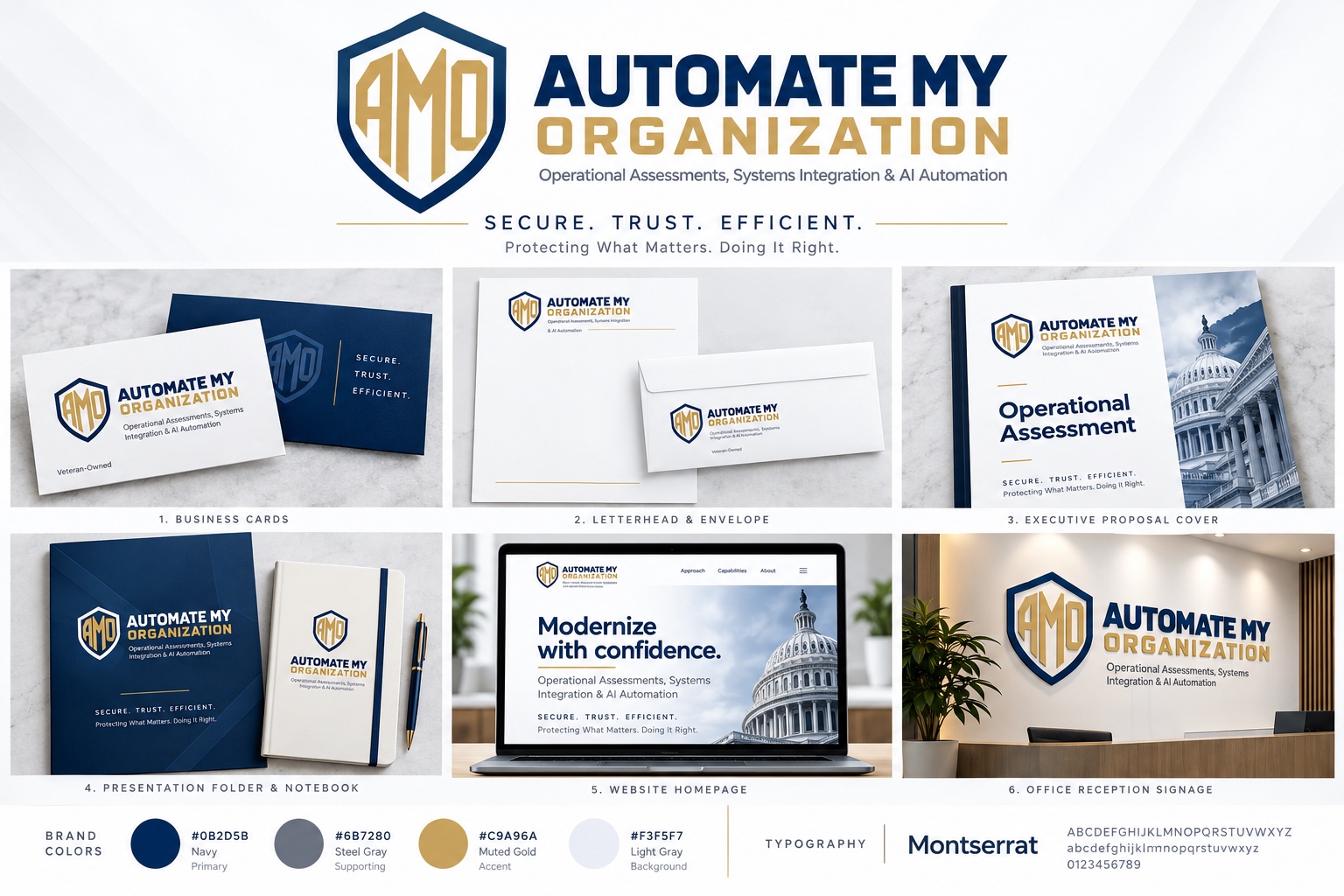
Security. Trust. Efficiency.

These principles connect leadership experience to the way an engagement should be planned, delivered, and supported.

01 / SECURITY

Respect what is
entrusted to you.

Establish information boundaries, access needs, and handling expectations before work begins. Identify where an organization’s IT team, software provider, or qualified security specialist needs to be involved.

02 / TRUST

Make the work
clear and accountable.

Agree on scope, responsibilities, and deliverables. Document findings, explain recommendations, and be candid about dependencies and limitations so leadership has a sound basis for decisions.

03 / EFFICIENCY

Improve what matters
in daily operations.

Look for unnecessary steps, repeated entry, and difficult handoffs. Consider better procedures and existing software alongside automation, with staff training and ongoing ownership included in the plan.

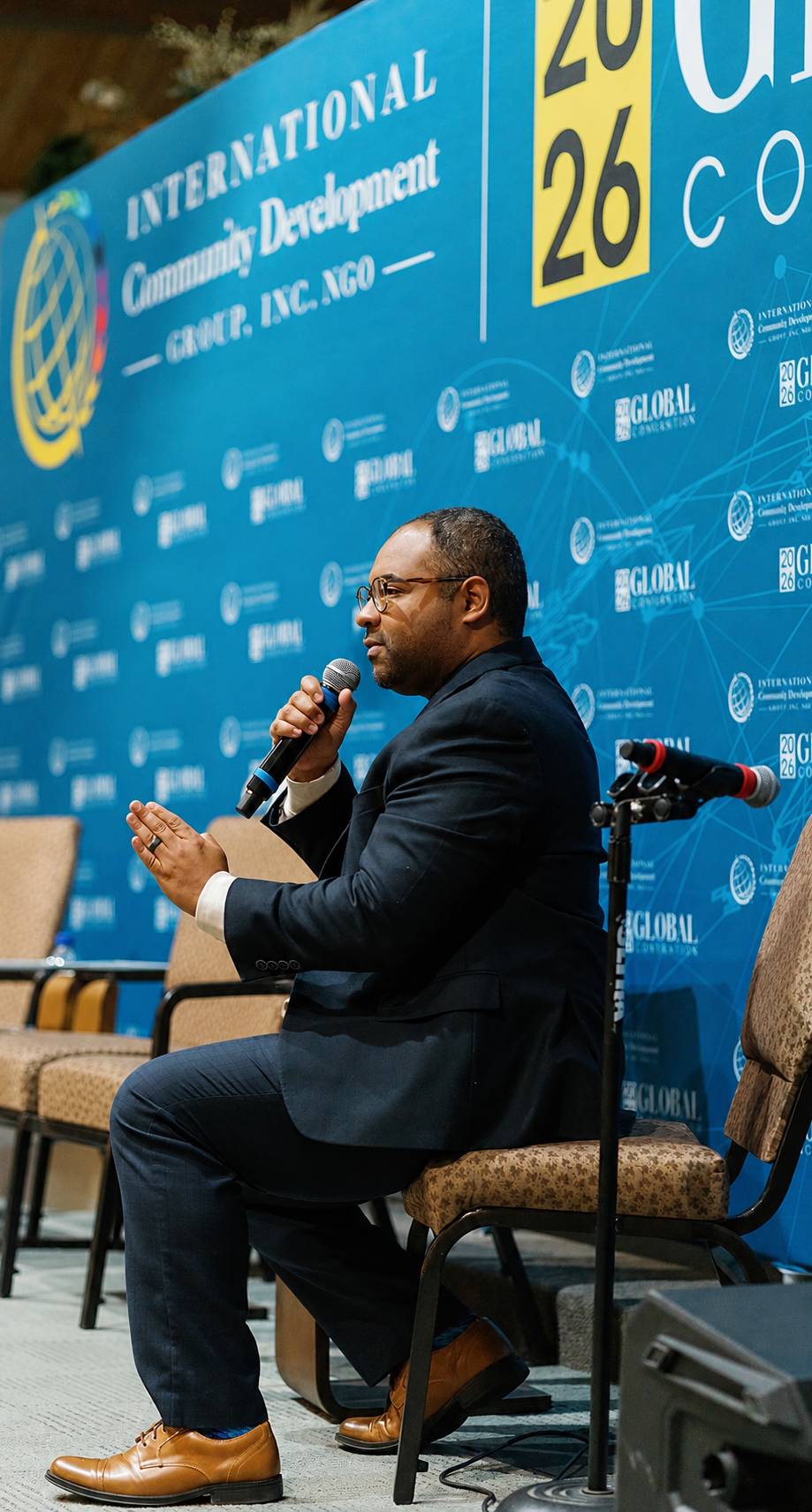
Richie Johnson seated and speaking into a handheld microphone at an international community-development event
Speaking at an international community-development event.

A practical working relationship

Listen carefully.
Build shared understanding.
Follow through.

Organizations hold valuable knowledge in the experience of their staff. A useful assessment makes room for that knowledge and gives leadership a clear view of the process, the constraints, and the options.

We focus on government entities and organizations in Virginia and neighboring states. Work can begin with a single workflow or department, with a written assessment to support the next decision.

Protecting What Matters. Doing It Right.

A practical starting point

Start with a clear understanding of the work.

Describe the process that needs attention. Begin with an assessment scoped to the decisions you need to make.

Prepare your project brief